
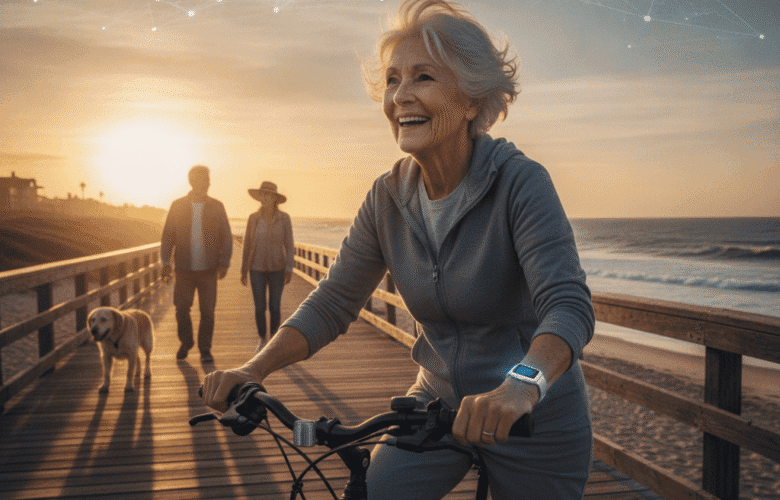
As we age, the desire to maintain independence remains strong. Many seniors want to continue living full, active lives in their own homes and communities. This longing for autonomy is natural and important for overall well-being. However, family members often worry about the safety and whereabouts of their elderly loved ones, especially as mobility or memory challenges sometimes arise.
I have seen firsthand how this balance between independence and safety can be a delicate act. We want our seniors to thrive, to explore, and to feel empowered. But there is also a genuine need for peace of mind when they are out and about. This is where modern technology offers a truly helpful solution.
Today, GPS tracking technology is stepping in to bridge this gap, offering greater freedom for seniors through GPS tracking devices. These tools are not about control, but about providing a safety net that supports an active lifestyle. They allow seniors to retain their cherished independence while giving their families valuable reassurance.
The Evolving Landscape of Senior Independence
The concept of aging has changed significantly over the years. Gone are the days when retirement meant a quiet life confined to home. Seniors today are more active, more connected, and more eager to maintain their routines and hobbies. They are traveling, volunteering, and participating in community events. This active engagement is vital for their mental and physical health.
I believe that supporting this desire for an active life is a key aspect of modern care. We should focus on enabling seniors rather than limiting them. This shift in perspective means looking for tools and strategies that help them continue to do the things they love, safely and confidently. It is about fostering an environment where growing older does not mean giving up cherished freedoms.
However, alongside this desire for activity, concerns about safety naturally arise. Families worry about potential falls, getting lost, or unexpected medical emergencies when a senior is alone. Traditional care models sometimes lean towards more restrictive approaches, which can inadvertently diminish a senior’s sense of freedom. We need solutions that empower, not restrict.
Balancing Freedom and Security
Finding the right balance between a senior’s desire for independence and a family’s need for security is a common challenge. It requires open communication and thoughtful solutions. Many families struggle with this, often feeling guilty about imposing restrictions or anxious when they cannot reach their loved ones.
GPS tracking offers a way to navigate this challenge effectively. It provides an invisible layer of protection that respects a senior’s autonomy. They can go about their day with the knowledge that help is available if needed. This technology helps maintain trust between seniors and their families, because it shows a commitment to their freedom while still ensuring their well-being.
Understanding GPS Tracking Technology for Seniors
GPS tracking technology has become remarkably sophisticated and user-friendly. For seniors, these devices are designed with simplicity in mind. They usually come in the form of small, wearable items like pendants, watches, or discreet devices that can be carried in a pocket or bag. The core function is to use satellite signals to pinpoint the wearer’s exact location.
These devices often include features that go beyond simple location tracking. Many have an SOS button that, when pressed, alerts designated family members or emergency services. Some models offer geofencing capabilities, which means families can set safe zones. If the senior leaves or enters a predefined area, an alert is sent.
The data from these devices is typically accessed through a smartphone app or a web portal. This allows family members to check the senior’s location in real time. It is a system built for quick response and reliable information. The technology aims to be seamless and unobtrusive, so it integrates easily into daily life.
How GPS Devices Function
At its heart, a GPS tracking device contains a receiver that listens for signals from orbiting GPS satellites. These signals carry precise timing information. The device calculates its position by measuring the time it takes for these signals to arrive from multiple satellites. This calculation provides highly accurate latitude and longitude coordinates.
Once the location is determined, the device then transmits this data using cellular networks. It sends the information to a secure server, which then makes it available to authorized family members through their app or online account. This transmission typically occurs at regular intervals or when an alert is triggered, providing continuous monitoring capabilities.
The simplicity of modern GPS devices is a key factor in their adoption. There are no complex buttons or menus for the senior to navigate. The design focuses on essential functions and ease of use, making them accessible even for those who are not tech-savvy. This helps ensure that the device is actually used and trusted.
Key Benefits: Greater Freedom for Seniors Through GPS Tracking
The primary benefit of GPS tracking for seniors is the significant increase in personal freedom. Seniors can confidently engage in their daily activities, knowing they have a reliable safety net. This technology supports a lifestyle where seniors feel less constrained by age or potential health concerns.
For me, seeing a senior maintain their hobbies and social connections is incredibly rewarding. GPS tracking makes this possible for many who might otherwise become isolated due to worries. It means they can take their regular walk, visit friends, or go shopping without constant supervision. This sense of independence is invaluable.
Beyond personal freedom, there is the immense peace of mind it offers to families. Knowing they can locate a loved one quickly in an emergency greatly reduces anxiety. This peace of mind is a significant advantage, allowing families to support their seniors’ independence rather than feeling compelled to restrict it.
Enhancing Safety and Security
Safety is a paramount concern for seniors and their caregivers. GPS trackers provide critical support in emergency situations. If a senior falls, becomes disoriented, or experiences a medical issue while alone, the SOS button can quickly alert help. This immediate response capability can be life-saving.
The ability to establish geofences is also a strong safety feature. For seniors with cognitive decline who might wander, these virtual boundaries ensure that family members are instantly notified if their loved one leaves a familiar area. This proactive alert system helps prevent dangerous situations before they escalate.
I have heard countless stories where a GPS device helped reunite a lost senior with their family within minutes. This quick resolution prevents prolonged periods of distress and exposure to potential harm. It is a practical tool that directly addresses very real safety risks.
Promoting an Active Lifestyle
Many seniors want to remain active and engaged with their communities. They enjoy walks in the park, visits to local centers, or simply running errands. Fear of getting lost or having an accident can sometimes limit these activities, leading to social isolation and reduced quality of life.
GPS tracking removes many of these fears. It empowers seniors to continue their outdoor activities and social engagements. They can explore their neighborhoods or even new places with renewed confidence. The device acts as a silent companion, offering a sense of security without being intrusive.
This encouragement of an active lifestyle has profound health benefits. Regular physical activity and social interaction are crucial for maintaining cognitive function, physical health, and emotional well-being in older adults. GPS tracking indirectly supports these vital aspects of healthy aging.
Real-World Applications of GPS Tracking
GPS tracking devices are not just for emergencies. They seamlessly integrate into various aspects of a senior’s daily life, offering practical advantages. I see them as tools that enhance everyday experiences. For example, a senior who loves to garden might wear a GPS pendant. If they experience a fall in the backyard, help can be called instantly.
Another common use is for seniors who enjoy walking or exploring new routes. They can embark on these adventures with confidence. Their family can see their route in real-time, which removes the need for constant phone calls or check-ins. This fosters a sense of trust and autonomy for the senior.
For those managing early-stage memory issues, GPS tracking becomes even more valuable. It allows them to maintain a degree of independence, like taking short trips to the store, while providing a safety net if they become confused or lose their way. This prolongs their ability to live independently and reduces caregiver stress.
Supporting Social Engagements
Many seniors thrive on social interaction. They enjoy attending clubs, meeting friends for coffee, or participating in community events. Sometimes, concerns about navigation or getting home safely can deter them from these important activities.
A GPS tracker can alleviate these worries. It gives seniors the confidence to venture out and connect with others. Family members know that if there is a problem, they can locate their loved one quickly and provide assistance. This support helps combat loneliness and promotes a vibrant social life.
I have spoken with seniors who regained their confidence to attend weekly card games or volunteer at a local charity after receiving a GPS device. The ability to stay connected to their community is vital. This is especially true for those who value independent senior living.
Facilitating Travel and Exploration
Retirement often brings opportunities for travel, whether it is visiting family in another state or exploring new places. While exciting, new environments can sometimes present challenges for seniors, particularly if they are prone to disorientation.
GPS tracking can make travel much less stressful for both seniors and their traveling companions or family members back home. It provides a reliable way to know where they are, offering a crucial layer of safety. This means seniors can enjoy their adventures without constant worry.
Choosing the Right GPS Device
Selecting the ideal GPS tracking device requires careful consideration of several factors. I always advise families to think about the senior’s lifestyle, their specific needs, and how comfortable they are with technology. There is no one-size-fits-all solution, but there are many great options available.
First, consider the form factor. Is a discreet pendant best, a watch-style tracker, or something that clips onto clothing? The device should be comfortable to wear and easy for the senior to manage daily. It should not feel like a burden or stand out too much.
Next, look at features. Do you need an SOS button? Is geofencing important for your situation? What about battery life? Some devices offer long battery life, which is a huge convenience. Others might have voice communication features, allowing direct two-way calls through the device itself.
Key Considerations for Device Selection
- Ease of Use: The device must be simple for the senior to operate, with clear buttons and minimal complexity.
- Battery Life: A longer battery life means less frequent charging, which is important for continuous protection.
- Durability and Water Resistance: Consider if the device needs to withstand daily wear and tear or exposure to water.
- Monitoring Features: Evaluate if you need real-time tracking, geofencing, or fall detection.
- Communication Options: Some devices allow two-way voice communication, which can be very helpful in emergencies.
- Cost and Subscription: Understand the upfront cost of the device and any monthly service fees for tracking.
I recommend involving the senior in the selection process if possible. Their input on comfort and preferences will help ensure they are more likely to use the device consistently. This collaboration also reinforces the idea that the device is for their benefit, not a form of surveillance.
Addressing Privacy and Ethical Concerns
When implementing GPS tracking, it is natural for privacy and ethical considerations to arise. I believe transparency and respect are absolutely critical here. This technology should never feel like an invasion of privacy. Instead, it should be presented as a tool that enhances safety and supports independence.
Open communication with the senior is paramount. Explain the purpose of the device clearly, emphasizing that it is for their safety and peace of mind, not to monitor their every move. Discuss who will have access to their location data and under what circumstances. Consent from the senior, if they are capable of giving it, is very important.
Family members should also agree on guidelines for using the tracking data. For instance, decide when it is appropriate to check the senior’s location. This helps maintain trust and prevents the senior from feeling constantly watched. The goal is to create a safety net, not a surveillance system.
Establishing Trust and Transparency
Building trust around the use of GPS tracking begins with honesty. Explain exactly how the device works and what information it collects. Show them the app or portal if they are interested. This demystifies the technology and reduces anxiety.
Reinforce that the device is there to provide help when they need it most. It is not about taking away their freedom. It is about empowering them to live life on their own terms, knowing support is just a button press away. This perspective helps shift the conversation from fear to empowerment.
We need to respect a senior’s autonomy as much as possible. If they are uncomfortable with a particular aspect, try to find a solution that addresses their concerns while still ensuring safety. Sometimes, a gradual introduction to the technology can also help them adjust and feel more at ease.
Integrating GPS Tracking into Daily Life
For GPS tracking to be truly effective, it needs to be seamlessly integrated into a senior’s daily routine. This means making it easy to wear and use, and ensuring that it feels like a natural part of their life, not an added burden. I often suggest starting with small steps to help seniors get accustomed to their device.
For instance, begin by wearing the device around the house for a few days. This allows them to get used to the feel of it. Then, gradually introduce wearing it on short outings, like a walk around the block or a trip to the local park. This slow integration helps build comfort and confidence.
Make sure the senior understands how to charge the device and where it should be stored when not in use. A designated charging spot and a simple routine, like charging it overnight, can prevent many issues. Consistency is key for reliable usage.
Tips for Seamless Integration
- Choose a Comfortable Device: Ensure the device chosen is lightweight and comfortable enough for daily wear.
- Establish a Charging Routine: Help the senior set up a consistent time and place to charge their device.
- Practice Emergency Use: Briefly practice pressing the SOS button in a non-emergency setting so they know what to expect.
- Educate All Caregivers: Ensure anyone involved in the senior’s care understands how to use the tracking system.
- Regularly Review Settings: Periodically check geofence zones and contact lists to ensure they are up-to-date.
I find that explaining the benefits in relatable terms helps. Frame it as “your personal safety helper” or “a tool that lets you stay out longer.” These simple messages can make a big difference in acceptance. The goal is to make it a helpful companion, not a reminder of limitations.
Embracing a Future of Senior Independence
The journey towards greater freedom for seniors through GPS tracking is a significant step in modern elder care. I have seen how this technology truly empowers older adults, allowing them to lead more active, fulfilling lives with confidence. It is not just about locating someone in an emergency. It is about fostering an environment where independence is valued and supported by smart, practical solutions.
By carefully selecting the right device and integrating it thoughtfully, families can provide a crucial safety net. This net enables seniors to continue their hobbies, maintain social connections, and explore the world around them without undue worry. It transforms the conversation from restriction to enablement, from fear to peace of mind for everyone involved. We are living in a time where technology can truly enhance quality of life for our seniors, and GPS tracking is a clear example of this positive impact. I encourage you to explore these options and consider how GPS tracking can contribute to the greater freedom and confidence of the seniors in your life.