
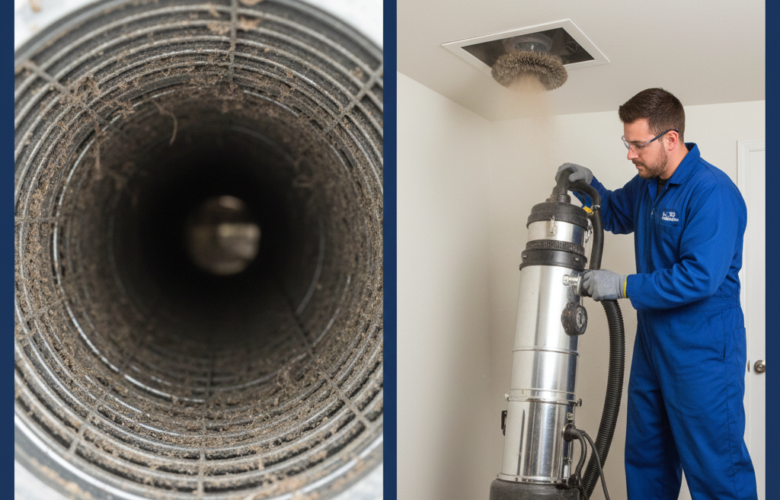
Indoor air often goes unnoticed until a problem shows up. Dust on shelves, a tickle in the throat after turning on the heat, or unusual odors can point to an unseen source deep inside a home. The ductwork that delivers warmed and cooled air plays a central role in that unseen environment and keeping it clean matters for comfort and home health.
This article explains the importance of professional duct cleaning. You will find clear reasons to act, practical indicators that cleaning is needed, and hands on tips for choosing a provider that respects equipment and delivers visible results. Read on to learn how routine care for ducts supports healthier air and can reduce hassles with your HVAC system.
Why clean ducts matter for indoor air quality
Air moves through a maze of metal and flexible channels before it reaches living spaces. Over time these channels collect dust, pet hair, pollen, and other particles. That buildup can reenter the living area with each cycle of the HVAC system. For people with allergies or respiratory conditions these particles can worsen symptoms.
A few concrete benefits of having clear ducts include reduced circulation of settled debris and fewer musty or stale odors. When ducts are maintained the vents deliver air more consistently which can make temperature control feel more even across rooms. Those practical outcomes matter in homes and in any enclosed space where people spend extended time.
Health benefits of regular duct maintenance
When ducts are contaminated with mold spores or pest droppings the health stakes rise. Mold fragments may trigger sneezing and irritation. Dust that accumulates around the blower and inside the plenum can harbor allergens. For households with children, older adults, or anyone with asthma taking steps to limit these triggers is a sensible precaution.
Reducing indoor particle load matters because people breathe thousands of liters of air every day. Even small drops in airborne allergens can improve sleep and lower the frequency of daytime symptoms. Cleaning is not a cure all for chronic conditions, but it is a practical part of a layered approach that includes filtration and humidity control.
Energy and equipment performance benefits
When registers and duct passages are clogged the HVAC blower must work harder to move air. That extra workload can increase run times and in some cases raise energy use. Cleaning return ducts and the area around the air handler can restore smoother airflow and remove obstructions that slow the system.
Keeping the air pathway clear also reduces strain on components such as the blower motor and heat exchanger. Less strain can mean fewer service calls related to airflow restrictions. Proper cleaning minimizes the risk of accidental damage that can occur when unqualified individuals probe the system without the right tools or training.
When to schedule a cleaning and how often to consider it
There is no single interval that fits every building. Environmental factors and household habits change the rhythm of need. Here are common triggers for scheduling a cleaning.
- Visible mold growth inside duct openings or on other HVAC components.
- Rodent or insect infestation inside duct runs.
- Significant dust and debris blowing from vents soon after cleaning or renovation work.
- Residents notice increased allergy or respiratory symptoms linked to time spent indoors.
- Moving into a previously occupied home or after major construction work.
Signs your ducts may need attention
Look for visible dust discharge at vents, irregular airflow between rooms, persistent musty odors, or particles that seem to settle faster than usual after surface cleaning. If more than one of these signs shows up it is worth having a qualified technician inspect the system.
Typical frequency guidelines
Homes without pets and with good filtration sometimes go longer between cleanings. Properties with pets, smokers, or recent renovations often need service more frequently. Many homeowners find a professional inspection every three to five years useful, with targeted cleaning when specific issues are found.
What a quality duct cleaning job includes
A professional approach uses targeted tools and follows a clear sequence. Technicians should inspect the system, protect living areas, agitate and dislodge dust, and use a high powered vacuum to remove debris from the ducts and the air handler. After the bulk of the dust is removed the crew cleans registers and checks access panels and seals.
If you live in Southlake hiring a professional duct cleaning service helps make sure the work is performed with the right equipment and that technicians know how to avoid damage to insulation, thermally bonded seams, and coil fins. Ask for before and after photos and a clear description of what was cleaned.
DIY cleaning versus hiring a trained technician
Many homeowners can wipe registers and change filters without risk. Reaching into registers with a brush and running a household vacuum at the grille will clear loose dust near the opening. That simple maintenance is useful between professional visits. However full duct cleaning is a different task that requires specialized vacuums, agitation tools, and careful handling of the air handler.
Attempting to clean ducts without the right tools can push debris deeper into the system or damage fragile components. In addition there are safety considerations when removing panels or accessing the plenum. For these reasons a professional job is often the safer choice when a thorough cleaning is needed.
How to choose a trustworthy duct cleaning provider
Not all companies that offer this service follow the same practices. Use these practical checks when vetting a contractor.
- Ask for a clear written estimate that lists the areas to be cleaned and the methods to be used.
- Request proof of insurance and references for recent similar work in local homes.
- Inquire about the tools they use and whether the equipment includes a high capacity vacuum and HEPA filtration.
- Request before and after photos so you can see the work performed.
- Confirm whether the price includes cleanup of the work area and a final inspection of the system.
Questions to ask during a consultation
Ask how technicians prevent dust from escaping into living spaces during the job. Ask what will be inspected and whether the quote covers the air handler and returns as well as supply ducts. You should also ask how technicians will handle visible mold or pest contamination since those situations require extra steps.
Practical steps to maintain cleaner ducts between services
Routine habits matter. Regularly changing HVAC filters, running exhaust fans during high humidity activities, and vacuuming floors and upholstery reduce the dust available to settle in ducts. Keep the area around the furnace and air handler clean because debris in that zone can enter the system quickly.
- Use pleated filters with a MERV rating that matches your system recommendations.
- Seal gaps around registers and inspect duct connections if you notice uneven airflow.
- Control indoor humidity to limit mold growth using a dehumidifier or HVAC settings.
When scheduling work set clear expectations in writing. Ask for the scope of the job, any guarantees, and a description of the cleanup process. A reputable company will welcome these questions and will describe protocols for protecting floors and furniture during the job.
Keeping ducts clean supports healthier indoor air, steadier HVAC operation, and fewer surprises related to system strain. Regular visual checks coupled with targeted professional cleaning when needed makes sense for most homeowners. If you notice signs of contamination or if it has been several years since an inspection arrange a consultation and get a clear estimate before work begins.
Conclusion
Maintaining clean ductwork is an investment in home comfort and indoor air quality. The goal is practical and measurable: reduce airborne particles, limit irritants that can worsen allergy and respiratory symptoms, and keep the HVAC system running with less stress. Routine filter maintenance and basic register cleaning help, while professional services remove the buildup that simple household methods cannot reach.
When choosing a provider focus on clear communication, documented methods, and visible results. Ask for references, a written scope, and evidence that the crew will protect the home while working. Taking these steps reduces the chance of damage and increases the value of the service. If your home shows signs of dust blowing from vents, musty odors, or if you have higher sensitivity to indoor allergens set up an inspection. Scheduling an inspection now can cut down on future repairs and help restore steady, cleaner airflow. Contact local HVAC professionals to compare quotes and find a team that offers transparent work and clear outcomes.